
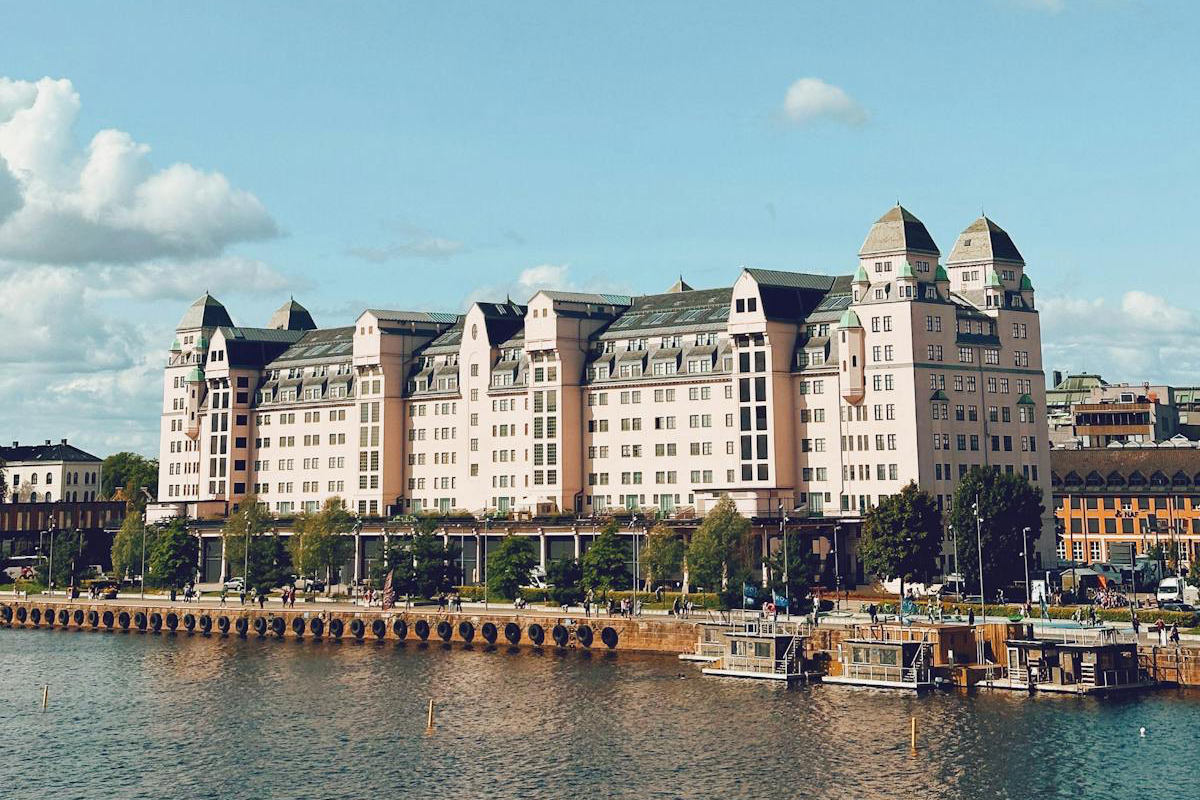
Flying privately to Oslo
Oslo is approximately one hour and forty-five minutes from Amsterdam. The sector is long enough for the time advantage of a private jet to be meaningful, yet short enough for a corporate day return when the programme is compact. Oslo Airport Gardermoen is a major international airport, but private aviation has a distinct infrastructure with General Aviation handling and executive facilities.
Gardermoen and the General Aviation environment
Oslo Airport Gardermoen (OSL / ENGM) is the strongest choice for most international private-jet flights. Avinor supports private and general aviation across its airport network, while Gardermoen has dedicated executive handlers and a GA terminal. Passenger, crew, baggage and vehicle arrangements can therefore be organised more specifically than through a normal airline passenger flow.
Gardermoen has two long runways and accommodates all normal business-jet categories. Runway performance is not a concern for a light jet arriving from the Netherlands and equally not a limiting factor for a heavy or long-range aircraft. The more important operational variable in Norway is season. Snow, ice, low temperatures and de-icing are normal parts of winter planning and can add turnaround time or cost.
Gardermoen or an alternative airport?
There are smaller airports around the region and Sandefjord Torp (TRF / ENTO) can serve as an alternative for some private-aviation missions. It is, however, considerably further from central Oslo. Lower airport charges are not automatically a saving when they create a much longer chauffeur transfer. For meetings in Oslo itself, Gardermoen usually remains the stronger door-to-door choice.
An alternative becomes more relevant when parking, operational availability or the actual final destination lies outside Oslo. For travel towards Vestfold or the south, Torp can be logical. We therefore look beyond the airport name and focus on where passengers need to be after landing.
Which aircraft suits Amsterdam – Oslo?
A light or super light jet is normally the best first recommendation. For two to four passengers, a light jet is efficient and fast. With six or seven travellers, winter baggage, skis or a desire for more cabin volume, a super light jet can be more comfortable. A midsize jet adds value mainly when the party is larger or when Oslo is part of a longer multi-leg itinerary.
In winter we look beyond range and cabin to operational margin. Cold temperatures themselves are generally favourable for aircraft performance, but runway contamination, de-icing and longer ground times must fit the schedule. An aircraft remaining overnight at Gardermoen may need more preparation before departure than a quick summer turnaround.
From Gardermoen to Oslo
Gardermoen is north of the city. By private car, the transfer to central Oslo is normally around forty to fifty minutes depending on traffic. For appointments around Bjørvika, Aker Brygge, Tjuvholmen, the Royal Palace or the central business district, the route is straightforward. When the agenda is focused north of Oslo, the airport can be particularly well positioned.
Oslo is generally less congested than many southern European capitals, but winter weather can affect the roads as well. For very early meetings or a tight return schedule we therefore keep sensible margin between the last appointment and the planned off-block time.
Where to stay in Oslo
For modern waterfront luxury, The Thief on Tjuvholmen is a well-known choice close to Aker Brygge and the Astrup Fearnley Museum. Grand Hotel and Hotel Continental provide a more classic central stay. Sommerro combines Art Deco design, restaurants and wellness in Frogner and suits travellers looking for a livelier hotel concept.
Bjørvika is practical for new office developments, the opera house and MUNCH. Tjuvholmen and Aker Brygge are stronger for waterfront dining and informal client entertainment, while Frogner has a quieter residential character. The right neighbourhood therefore depends heavily on the meeting schedule.
Dining and time off in Oslo
The Norwegian capital has a strong culinary reputation. Maaemo remains at the top of the MICHELIN Guide Nordic Countries 2026 with three Stars, while Kontrast is another important fine-dining address. Beyond that, Oslo has a broad modern Scandinavian restaurant scene around Bjørvika, Grünerløkka and the centre, often focused on local seafood, seasonal produce and fermentation.
With an extra day, you can take to the fjord, visit the museums at Bygdøy or head towards Holmenkollen for forest and winter-sport scenery. One of Oslo's strengths is how quickly an urban programme can be combined with nature without spending hours leaving the region.
Best season for Oslo
For business, Oslo works throughout the year. Summer brings exceptionally long daylight and makes fjord activities attractive; winter gives the city a distinctly Scandinavian atmosphere. December through March requires the most attention to de-icing and winter operations. We include those factors in flight preparation rather than treating them as unexpected extras after booking.
Price indication and charter quote
When the separate Destination Pricing snapshot contains sufficient recent comparable data, this page can display an indicative price aligned with the same light or super light aircraft category as the route advice. The final price still depends on live aircraft availability, positioning, winter costs, passenger count and preferred timings. A concrete journey therefore always receives a current charter quote.