Longer missions
More space for flights of four to nine hours
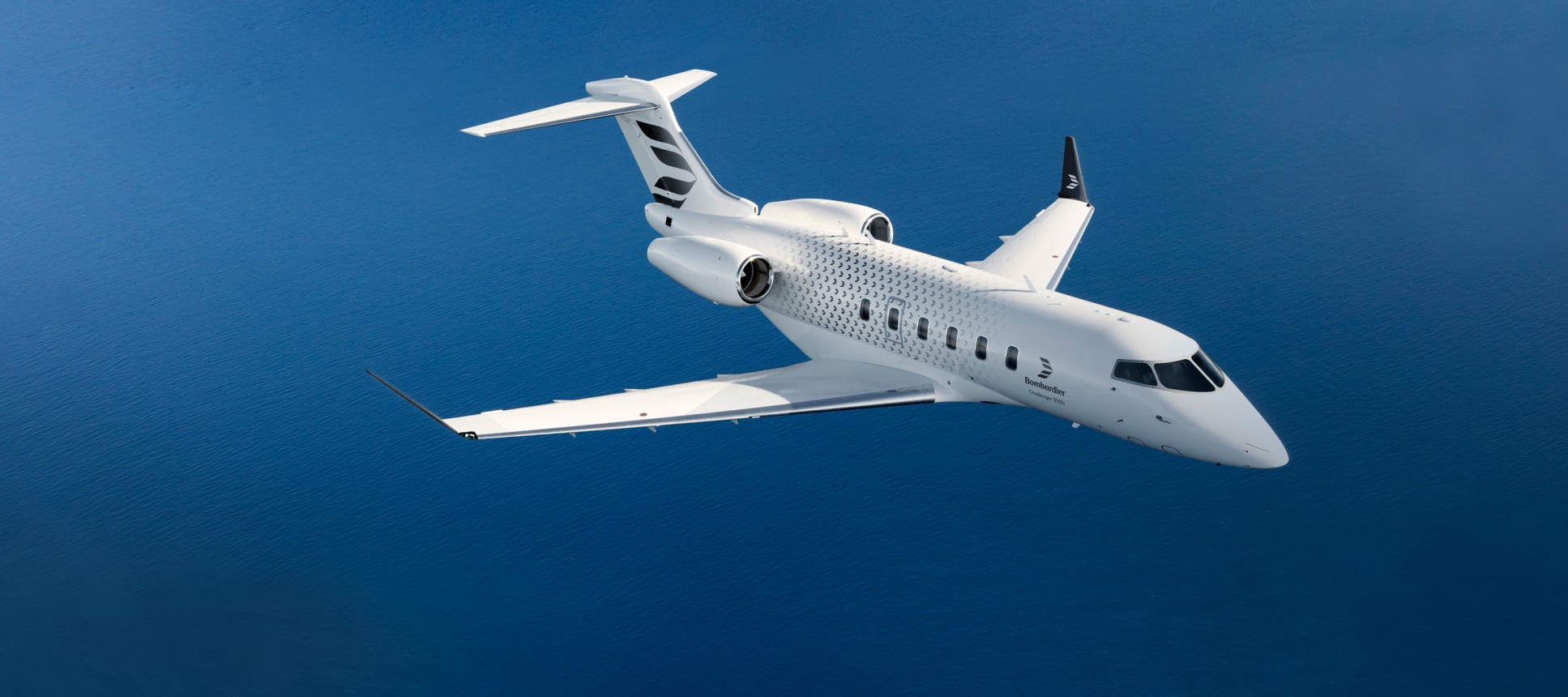
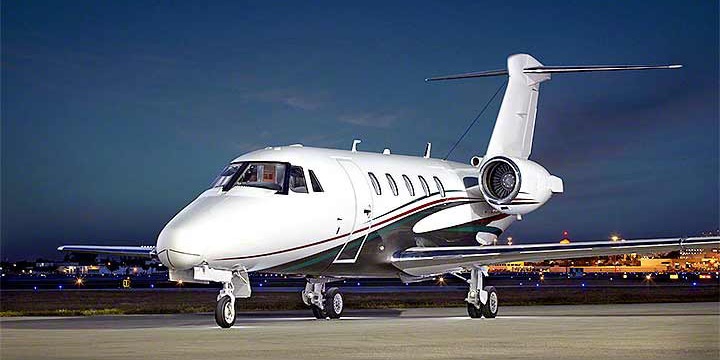
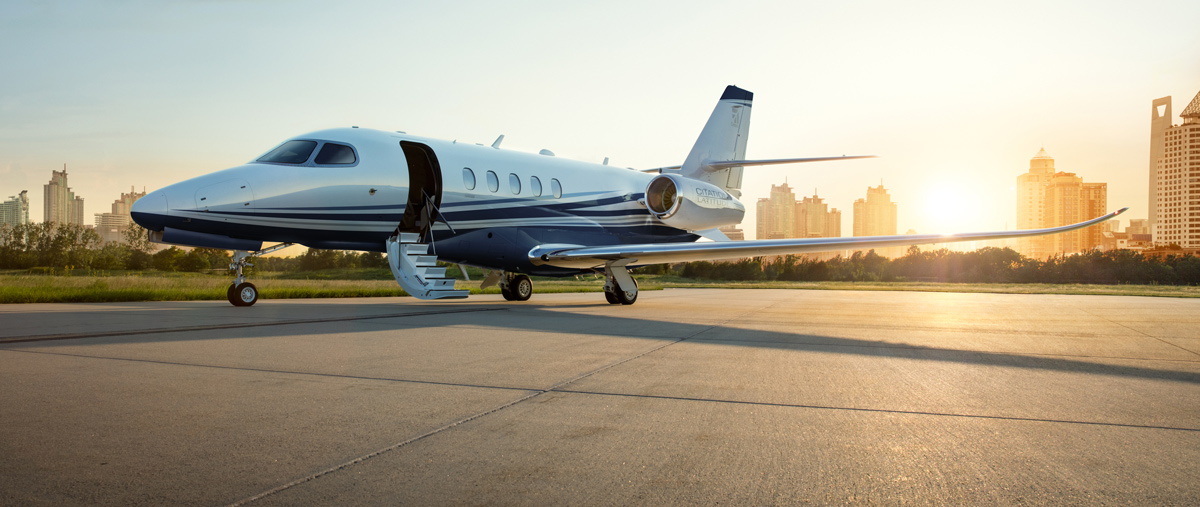
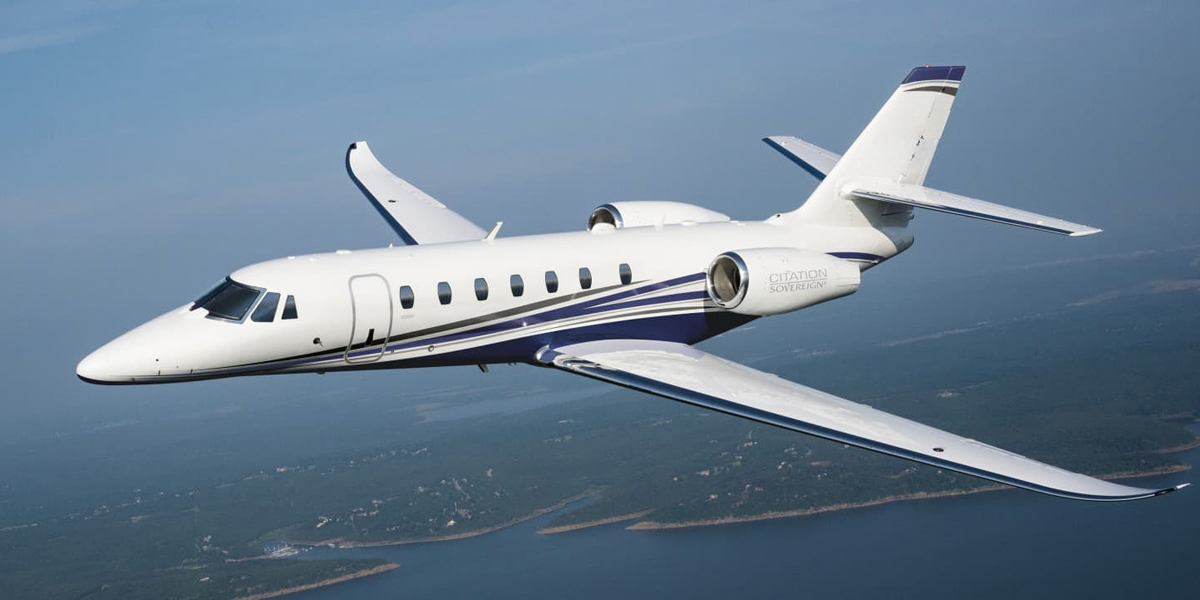
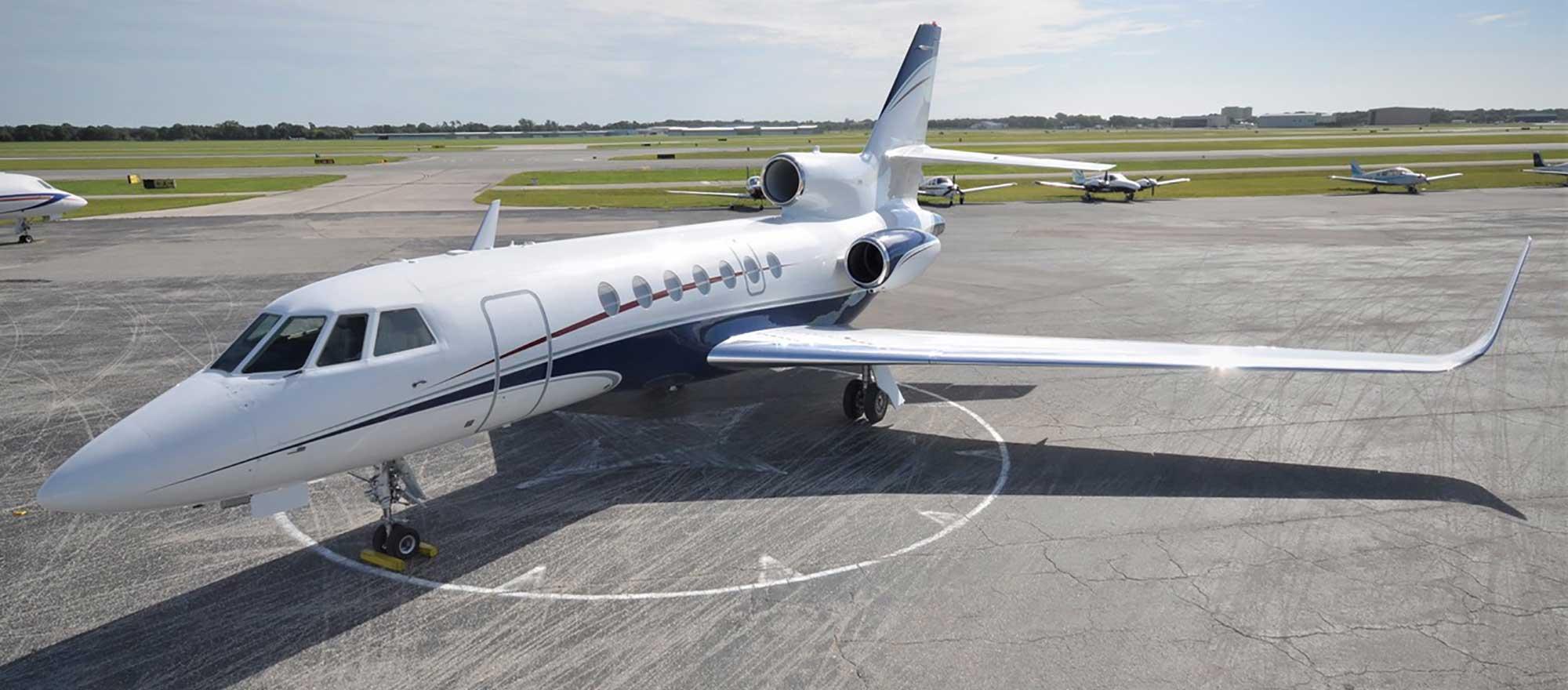
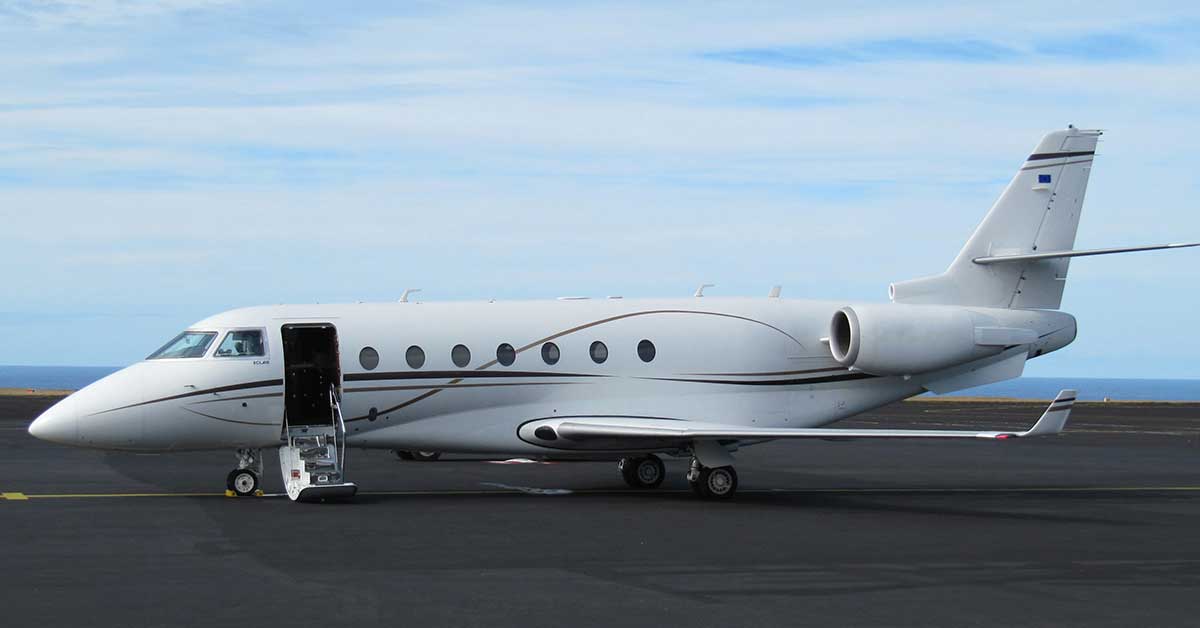
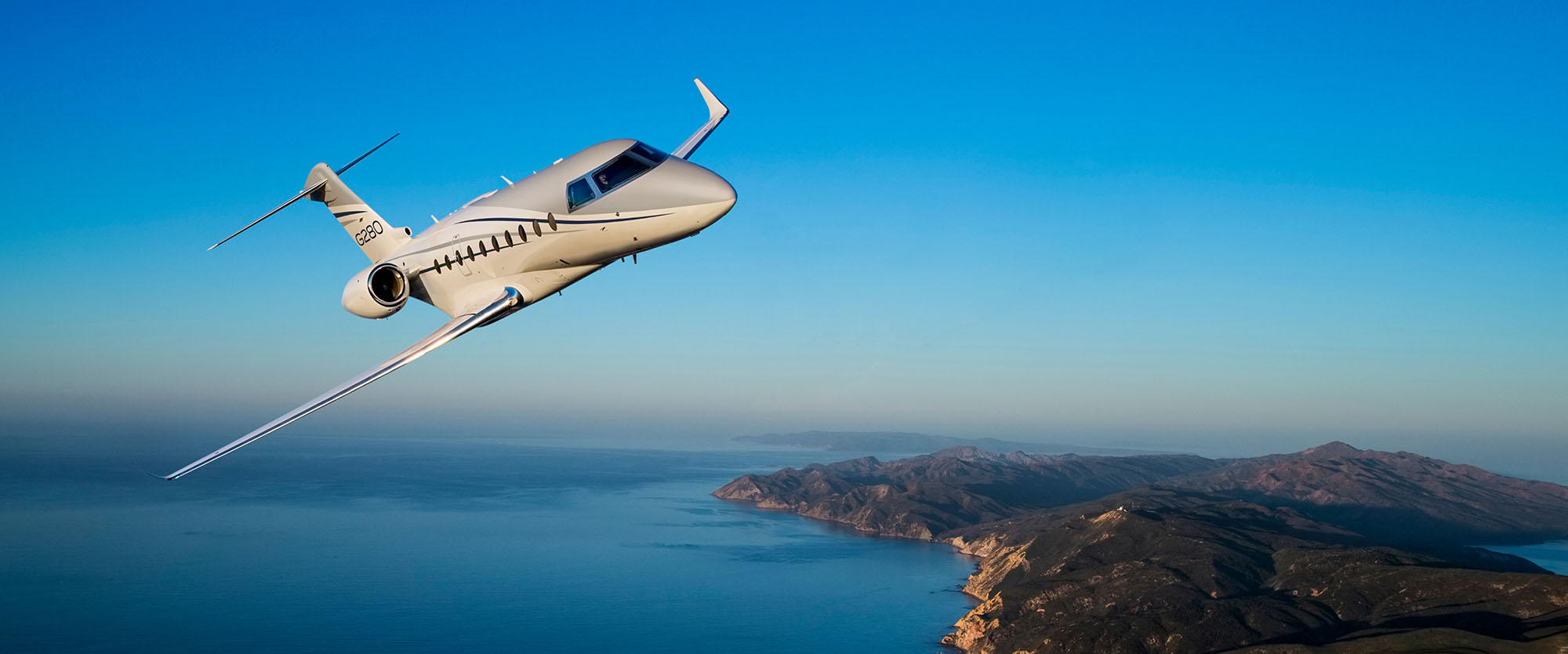
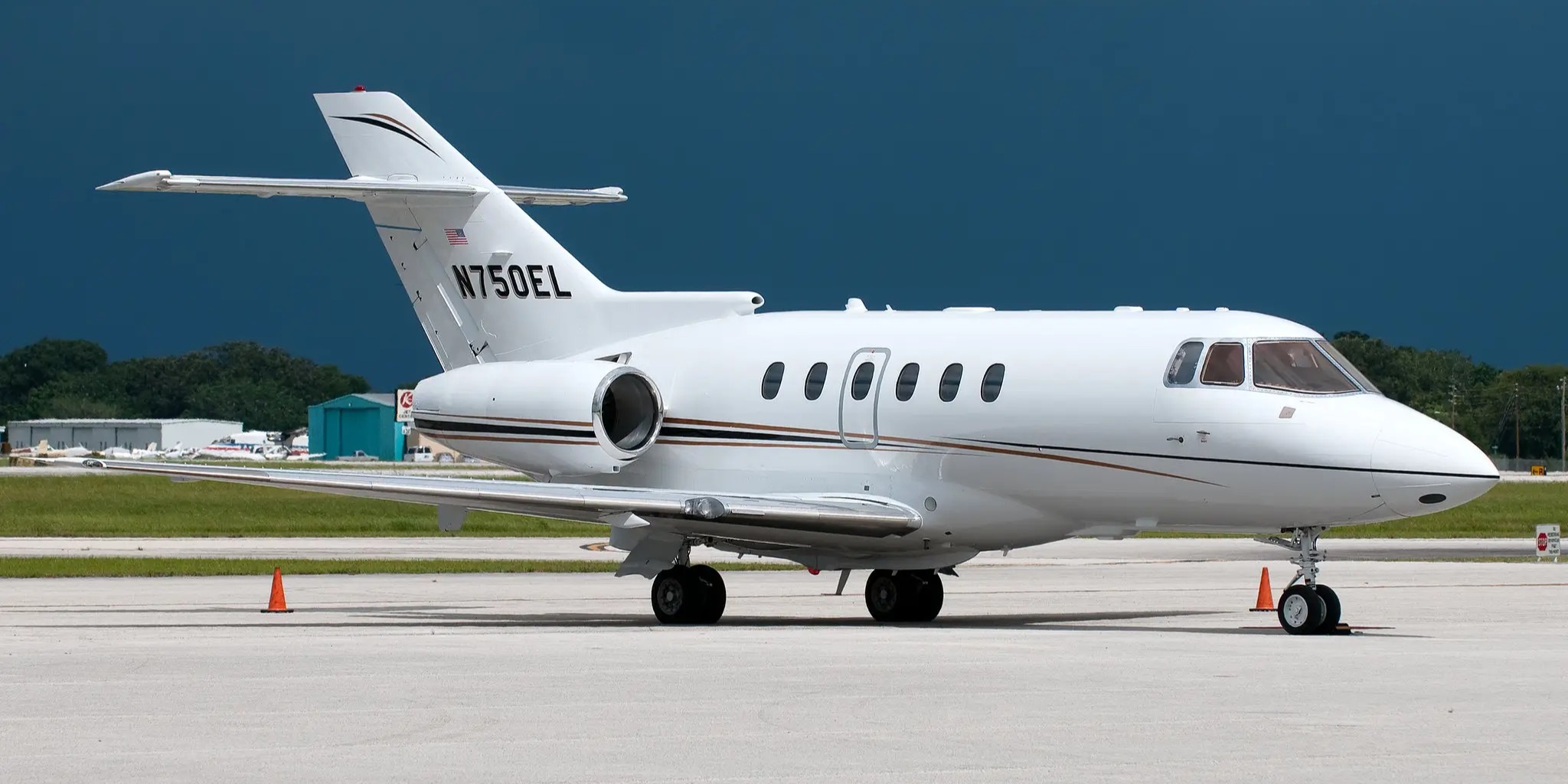
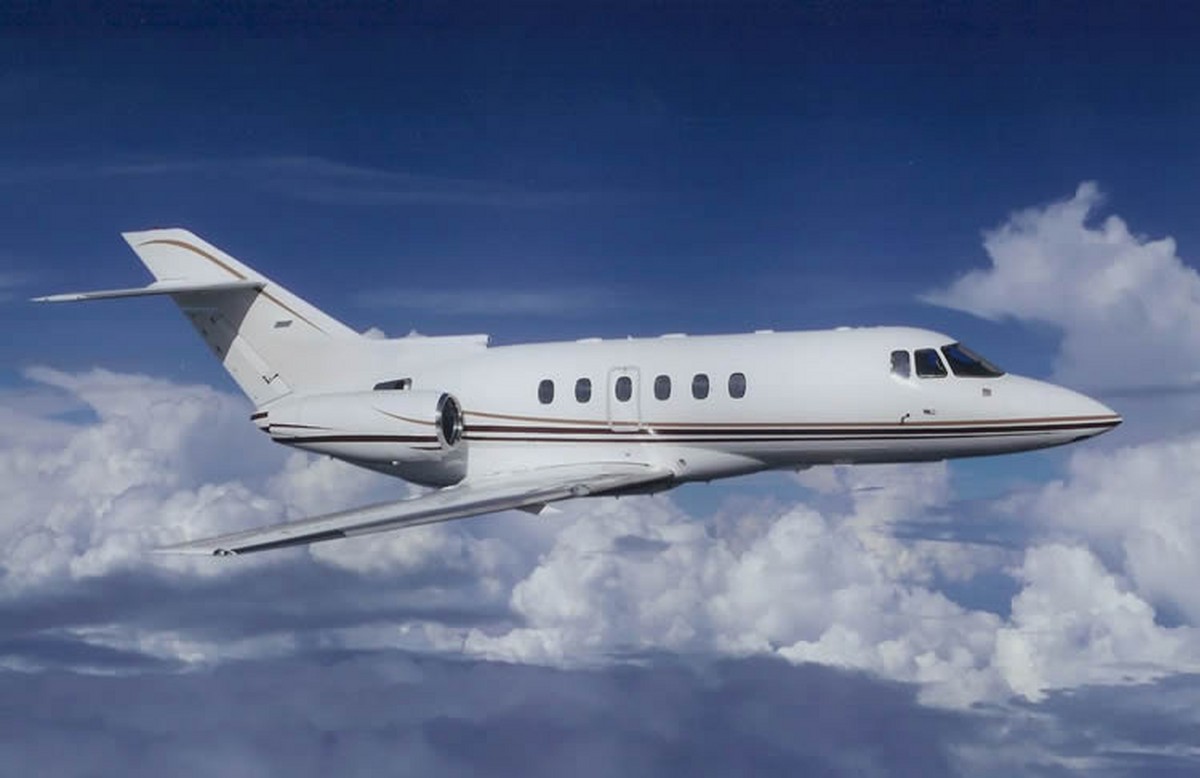
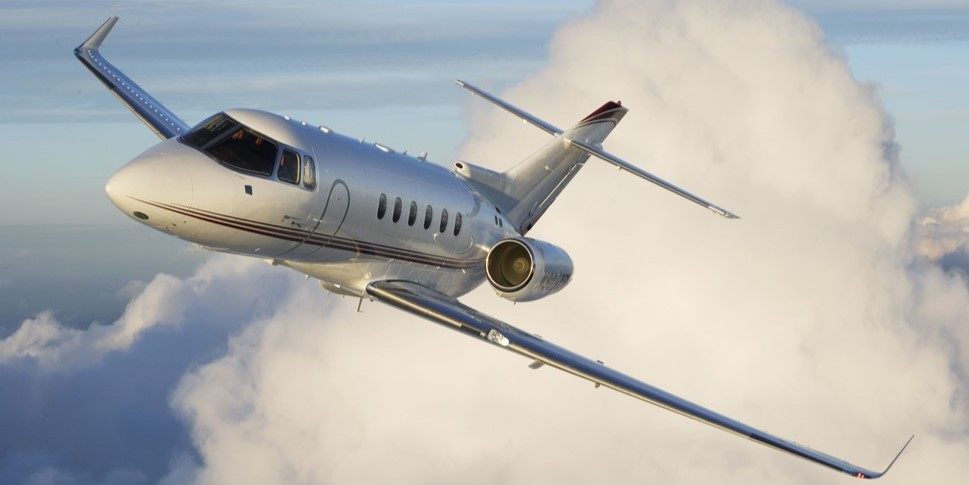
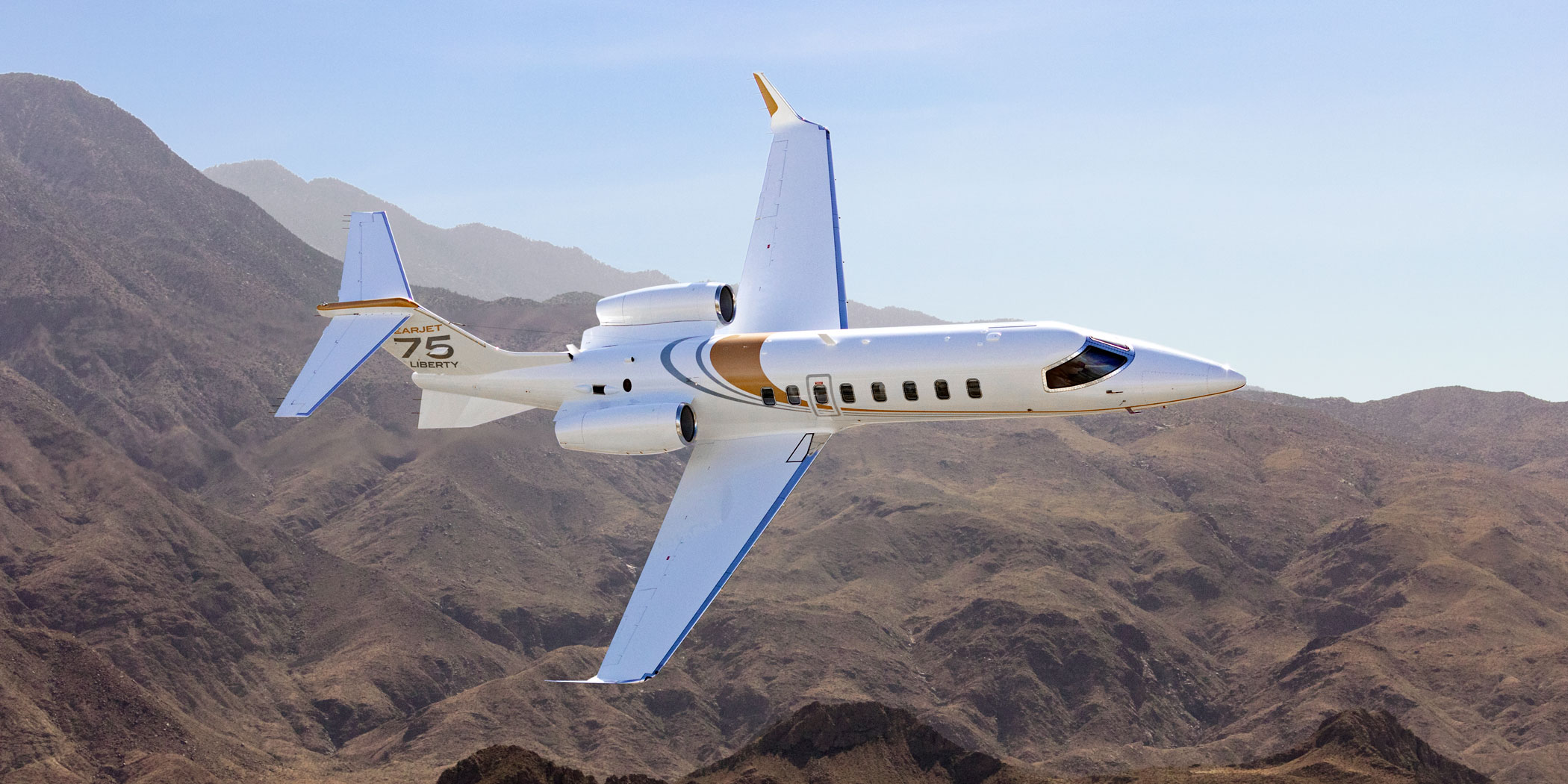
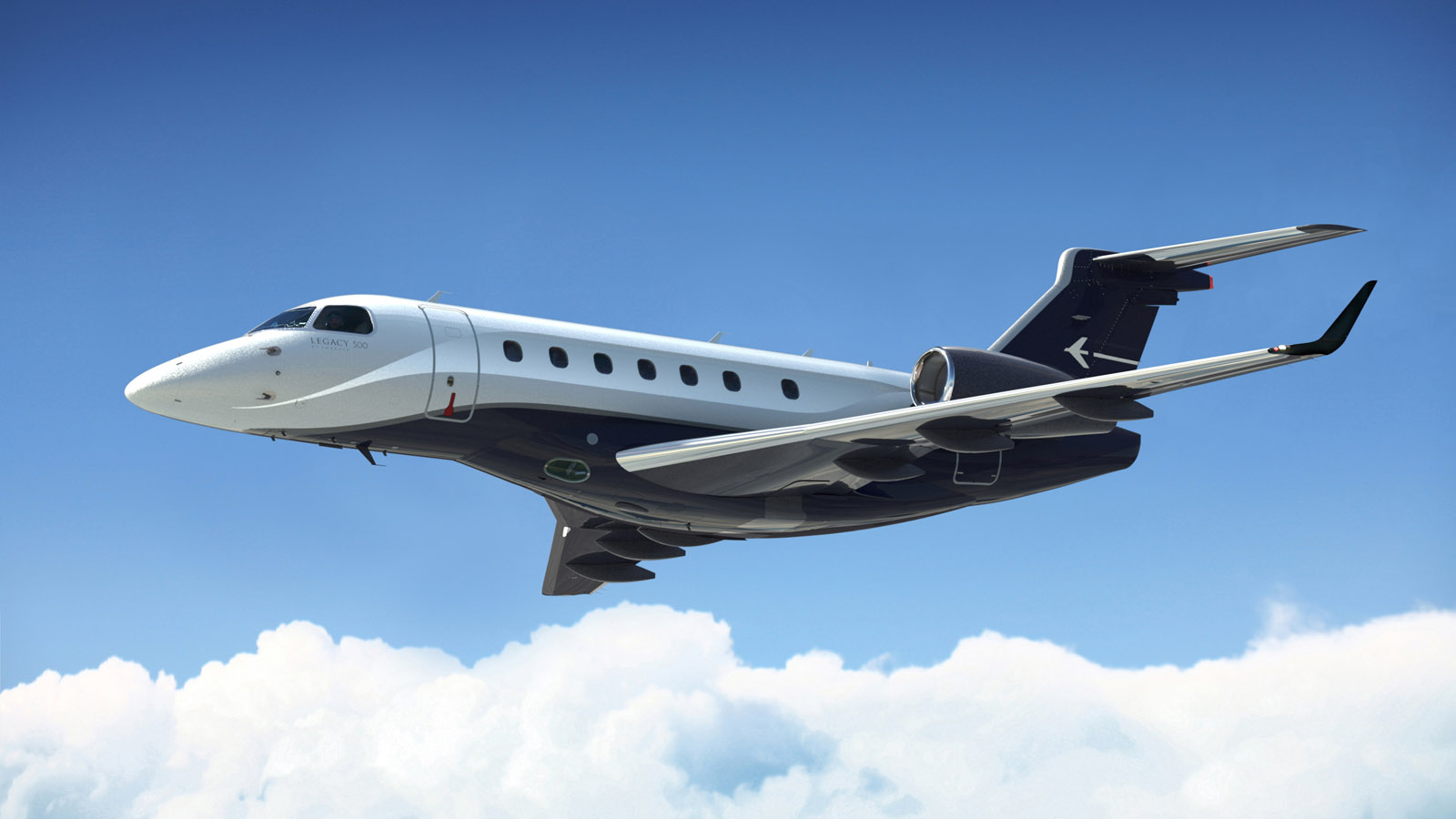
Midsize jets typically accommodate seven to ten passengers and suit longer European flights as well as routes to North Africa or the Middle East. Super midsize aircraft add further range, cabin space and payload margin. Depending on the route, winds and passenger load, selected models can also operate considerably longer sectors non-stop.
This category becomes relevant when the time spent on board matters as much as the arrival time. A larger cabin makes it easier to hold a meeting, enjoy a meal or rest for several hours, while generally providing more baggage capacity than a light jet.
Midsize or super midsize
The difference is most apparent in cabin and range
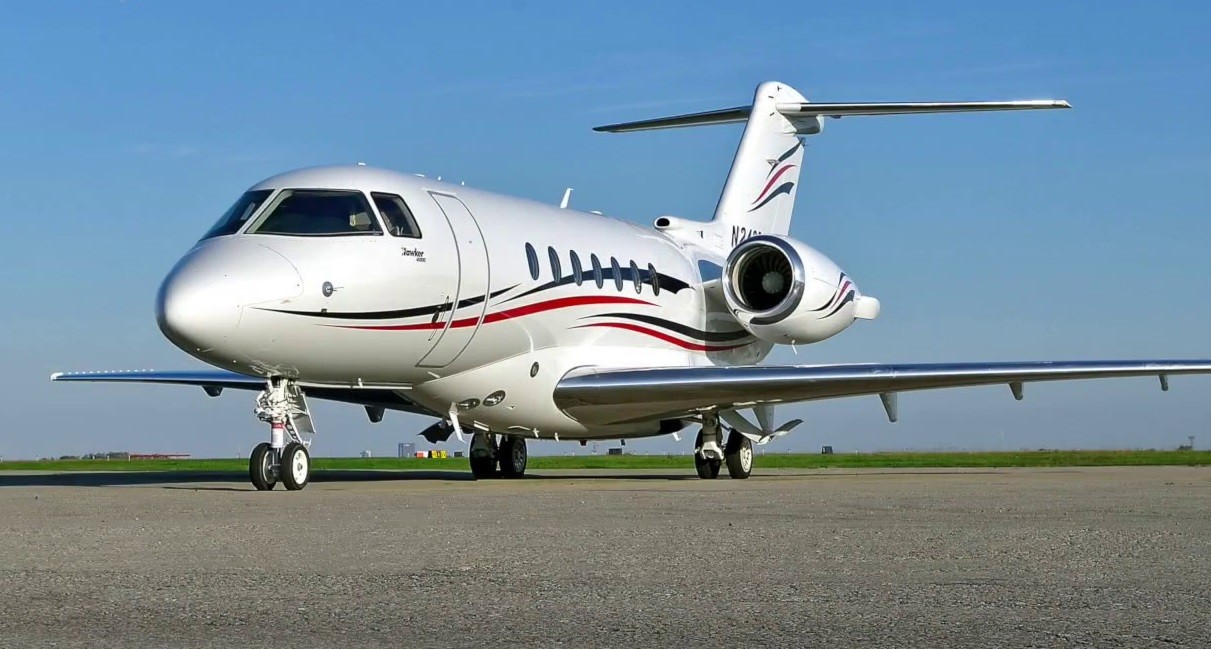
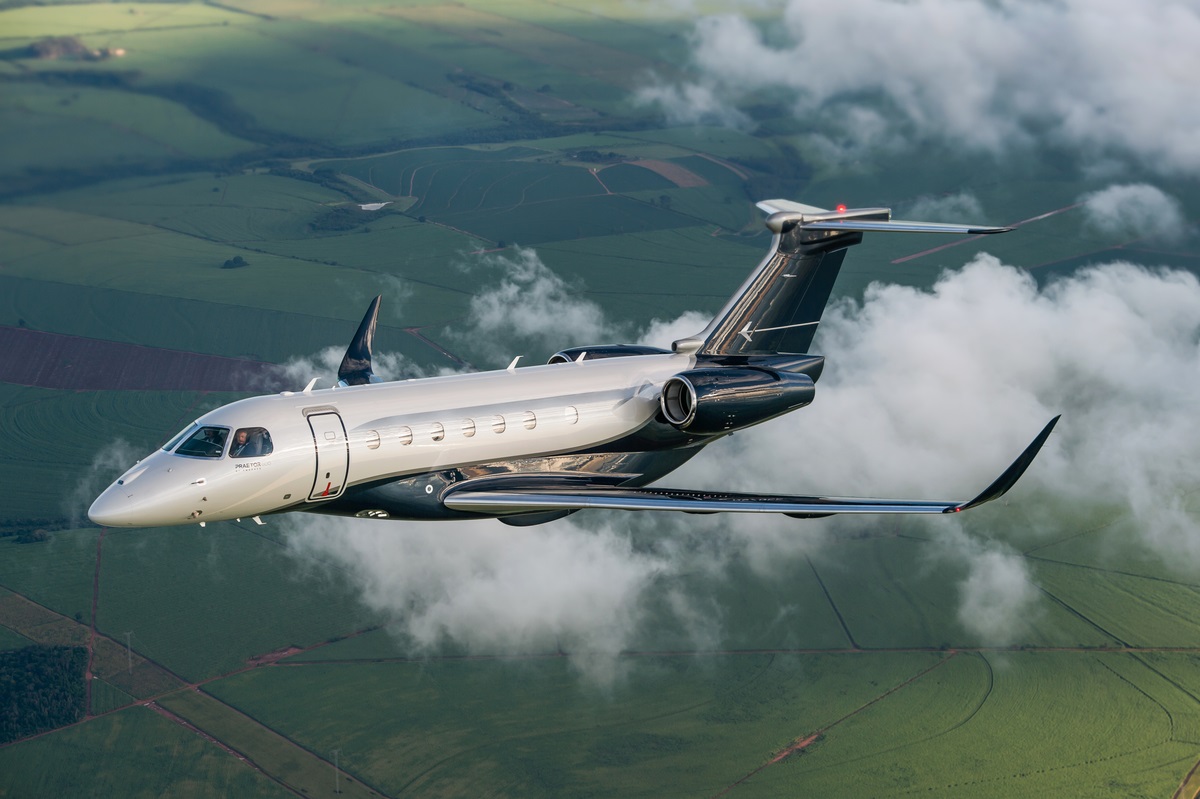
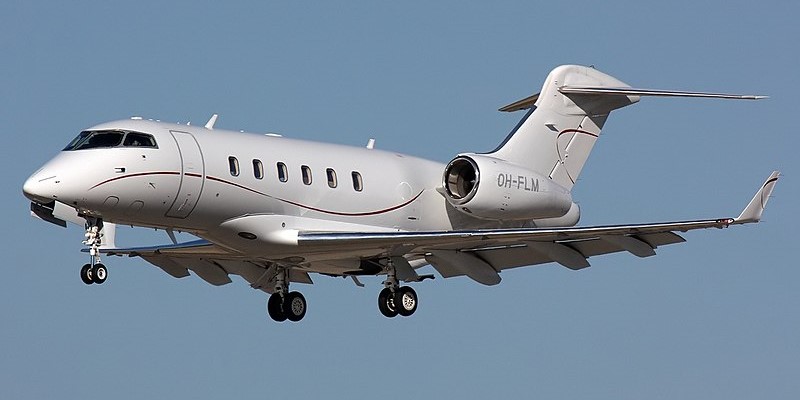
Standing height varies across midsize aircraft and the cabin can still feel relatively compact. Super midsize jets generally offer a taller and wider cabin, a more spacious lavatory and better catering facilities. Baggage volume and practical range are also usually greater.
That additional space is valuable with a full cabin or several hours ahead, but not every route calls for the largest aircraft. For six passengers travelling within Europe, a well-positioned midsize jet may provide the better-value solution.
Route and payload
Non-stop range matters only when it works in practice
We assess each available aircraft against passenger count, baggage, weather, airport performance and crew planning. The result is then compared with a smaller category, making clear whether the additional cabin space and range genuinely improve the journey.