
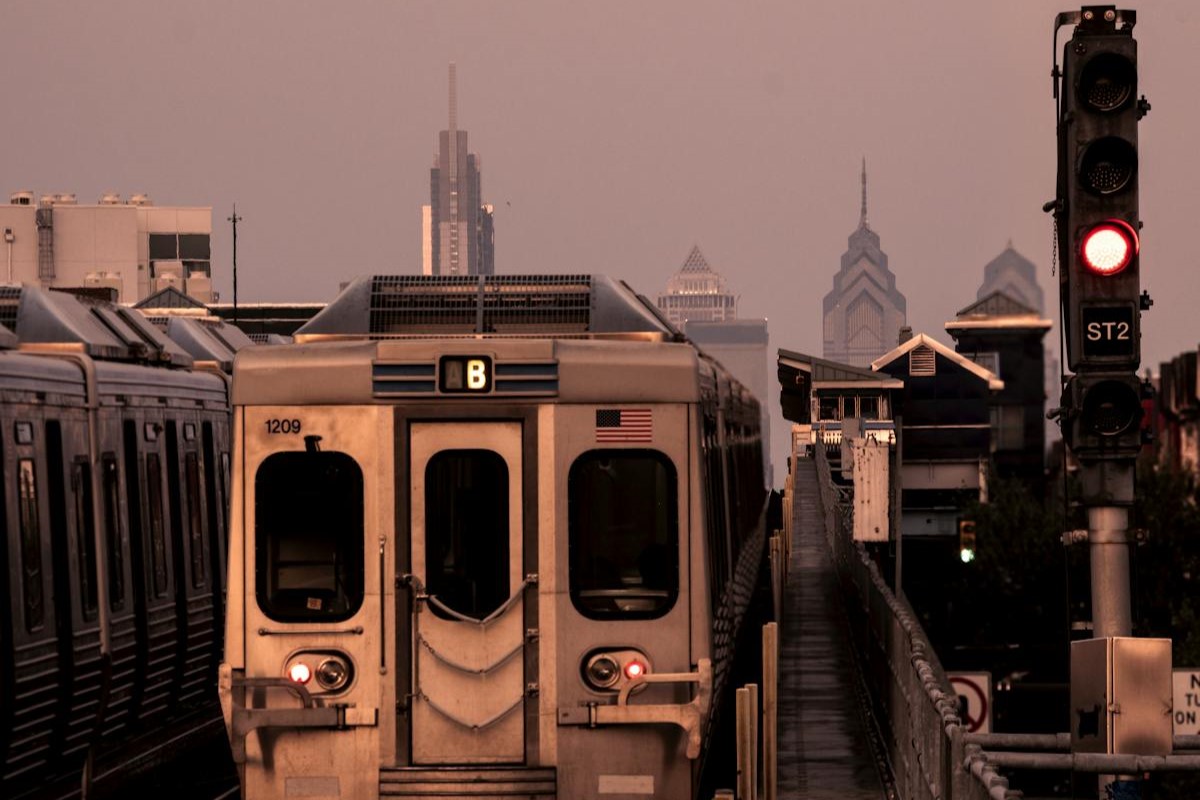
Northeast Philadelphia is a genuine corporate airport with international processing
For a private flight to Philadelphia, our first business-aviation reference is Northeast Philadelphia Airport (PNE / KPNE). PNE is the general-aviation reliever for Philadelphia International and handles jets, turboprops and corporate traffic away from the major airline-terminal environment. It is particularly attractive for appointments in northern Philadelphia, Bucks County and some suburban areas; for Center City, we compare its road transfer directly with PHL.
The airport has two paved runways, the longest measuring 7,000 ft, together with instrument approaches. More importantly for a direct arrival from Europe, PNE publishes Federal Inspection Services for private and corporate international travel. The airport specifically states a 24-hour notification requirement for that service. This is a genuine operational timing requirement and is therefore included in our planning rather than replaced by a generic estimate.
After 23:00 the staffed control tower closes and the airport operates as an uncontrolled field. That does not automatically make a late movement impossible, but it changes the operating environment and customs and handling must still be available. Philadelphia International (PHL / KPHL) consequently remains a full alternative, with longer runways, its own full-service FBO and the infrastructure of a major international airport.
Philadelphia sits in the range where Super Midsize becomes genuinely interesting
At around 3,240 nautical miles, Philadelphia is one of the shorter direct transatlantic routes from Amsterdam. A modern Super Midsize Jet can therefore be attractive with a modest passenger load and favourable conditions. The westbound sector remains the more critical direction. With strong headwinds, more baggage or a larger party, a Heavy Jet adds range and payload margin without introducing a fuel stop.
That distinction is more useful than assigning one aircraft class to every traveller. A Challenger 3500-style mission can make sense for four or five passengers who value an efficient cabin, while a Falcon, Gulfstream or comparable Heavy Jet is more appropriate when space, baggage volume or weather margin matters more. PNE also brings runway performance into the calculation. Seven thousand feet is workable for many business jets, but departure weight and temperature determine whether the chosen type can comfortably return to Europe non-stop.
The eastbound flight to Amsterdam is often easier within range because of prevailing winds. For a one- or two-night stay, keeping the same aircraft can be practical. On a longer visit, we compare waiting with repositioning. Philadelphia also combines well with New York, Washington, Boston or smaller airports across Pennsylvania and New Jersey, where a regional business jet may be more efficient for the onward leg.
Center City, Rittenhouse Square and Old City make Philadelphia pleasantly compact
Philadelphia is more manageable than New York or Los Angeles and many important addresses sit in or around Center City. Four Seasons Hotel Philadelphia at Comcast Center is a high-end option above the skyline and is convenient for Logan Square, corporate offices and the museum corridor. The Rittenhouse sits directly on Rittenhouse Square and provides a more classic residential feel with restaurants and shopping within easy walking distance.
The city has a distinctive dining identity as well. Zahav in Society Hill remains a recognised destination for modern Israeli cuisine, while Vernick Fish at Four Seasons is practical when hotel and dinner should stay close together. Old City around Independence Hall and the Delaware waterfront gives a more historic atmosphere, but for a tight corporate schedule Rittenhouse and Logan Square are often the more efficient bases.
Spring and autumn are comfortable for both leisure and business travel. Summer can be hot and humid, while winter can bring snow, ice and de-icing. Major sporting fixtures, university events and conventions can tighten hotel and chauffeur availability. Because PNE publishes a specific 24-hour notification for Federal Inspection Services, last-minute international planning is particularly dependent on choosing the correct airport structure early enough.
PNE is often quieter; PHL can provide the stronger operational margin
For a private charter to Philadelphia, we therefore compare more than price. PNE provides a clearly corporate-aviation environment and can work very well for a Super Midsize or Heavy Jet, but its 7,000-ft runway, tower hours and 24-hour customs notification are part of the decision. PHL offers more runway margin and can be the more robust option for very large aircraft, late itinerary changes or specific handling requirements.
For Center City, the road-transfer difference also depends on traffic and time of day. An airport that is further away on the map can still be efficient in a quiet period, while rush hour can reverse the advantage. We therefore use the hotel or meeting address in the airport comparison rather than applying one fixed “best airport” to every passenger.
Where a price indication appears on this page, it follows the recommended Super Midsize or Heavy Jet category. The final charter price depends on aircraft positioning, date, passengers, length of stay and the PNE/PHL choice. A Super Midsize is only proposed when range, payload and runway performance genuinely fit the specific flight, keeping the price advice aligned with the real mission.